
Photovoltaic and Battery Energy Storage Systems Incidents
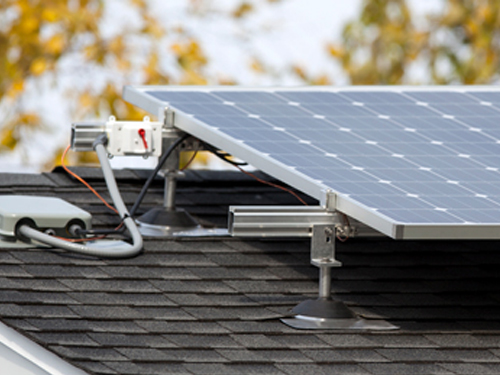
The hazards associated with photovoltaic (PV) and battery energy storage systems (BESS) during fire or explosion incidents require specialized response procedures with a focus on operational safety.
- Evacuate the area and keep everyone at least 300 feet away. A BESS can present an explosion risk, even without signs of fire.
- As you initiate response, always confirm that Tampa Electric has been notified and is responding.
- Identify the location of system controls, batteries and inverters. Work with Tampa Electric personnel to isolate the system.
- Communicate the presence of a PV solar system to your team.
- A PV array can shuttle thermal energy back toward the seat of the fire, causing fire growth to accelerate. Be alert for a fire near an array to progress unexpectedly, and in some cases cause rapid structural failure.
- When operating near PV arrays, crews should be positioned at the corners of the structure or beyond the collapse zone whenever possible. Ensure those operating on the roof or inside the structure have a clear escape route away from PV components.
- Never utilize a straight stream or foam. Contain small fires with Class C extinguishing agents. Control larger fires by applying water in a 30-degree fog pattern at 100 psi, from a distance of at least 30 feet from the energized source.
- Decontamination is essential after any exposure to the products of combustion generated by PV components.
Community Energy Park (Battery Energy Storage System)
If our Tampa Electric battery storage enclosure is on fire, remember that the batteries are lithium-ion and refer to the SDS for additional response information. Do not enter the enclosure. Assume a defensive operational mode: expect an explosion, position personnel at least 100 feet away and prepare hose lines to protect exposures.
Informed BESS Incident Response Saves Lives
An engine company was dispatched to investigate a strange odor reported in a homeowner’s garage. While responding, dispatch reported the presence of a residential BESS facility in the garage. The initial on-scene report noted a visible white haze in proximity to the BESS. The crew immediately went to work evacuating the house, disconnecting power to the BESS and creating a safe standoff distance. About 15 minutes after arrival, the white fog increased in volume and parts of the system were propelled through the open garage door as the BESS rapidly ignited. There were no injuries and the crew was able to prevent the fire from spreading through the attached structure. The Incident Commander attributed the success of this response to knowledge of BESS, proper size-up, situational awareness, and establishing a safe standoff distance.
An engine company was dispatched to investigate a strange odor reported in a homeowner’s garage. While responding, dispatch reported the presence of a residential BESS facility in the garage. The initial on-scene report noted a visible white haze in proximity to the BESS. The crew immediately went to work evacuating the house, disconnecting power to the BESS and creating a safe standoff distance. About 15 minutes after arrival, the white fog increased in volume and parts of the system were propelled through the open garage door as the BESS rapidly ignited. There were no injuries and the crew was able to prevent the fire from spreading through the attached structure. The Incident Commander attributed the success of this response to knowledge of BESS, proper size-up, situational awareness, and establishing a safe standoff distance.