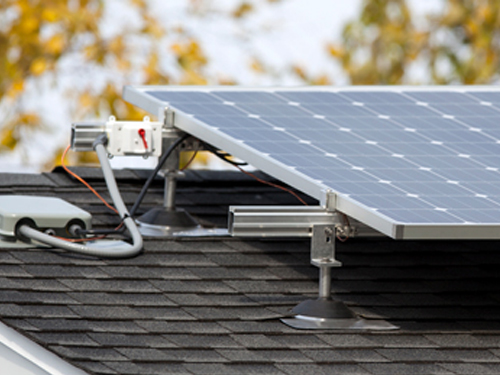
Solar Photovoltaic and Battery Energy Storage Systems Safety
Incidents involving photovoltaic (PV) and battery energy storage systems (BESS) can create electrical, structural and chemical hazards:
- Consider all PV equipment energized and capable of producing serious electrical shock, burns and even death.
- Consider the weight of the PV array on a fire-damaged roof structure. A rooftop solar array may block access to the roof over the fire.
- A PV array is capable of generating electricity even when damaged, during inclement weather, and at night when illuminated by scene lighting, lightning or an active flame front.
- Battery modules exposed to heat or fire may experience thermal runaway—overheating to the point of compromise and generating extremely toxic and explosive gases.
- Batteries retain stored energy and have the potential to reignite hours or even days after an event.
Tactical Considerations
- Always keep yourself and all tools and equipment at least three feet away from PV components.
- Never walk on or break PV modules or touch or cut PV equipment or wiring, as any PV equipment or batteries may produce a surge or arc that could transmit an electrical shock.
- Not all PV systems are the same. Some systems have a single control point while others have multiple shutoffs.
- During operations involving PV and BESS, always wear full personal protective equipment (PPE) and self-contained breathing apparatus (SCBA).
Explore the safety training resources on energy storage and other distributed energy resources offered by the National Fire Protection Association: https://www.nfpa.org/News-and-Research/Resources/Emergency-Responders/High-risk-hazards/Energy-Storage-Systems.